PROFILE | The Imagined Landscapes of Maggie May Jeffries
Evoking the spirit of childhood wonder, Maggie May Jeffries’s botanical paintings are just as much about the memories associated with her plant encounters as their pictorial reality.
While most of Hobart is asleep, Maggie May Jeffries is crawling around in her backyard nasturtiums with a torch, finding inspiration in the intricate details found in leaves and petals when illuminated from behind. The artist finds a precious focus at night. “My brain goes down to three channels instead of ten,” she explains. “It’s the calm of the nighttime that allows me to lock into painting.” While her last exhibition was about water, her upcoming solo exhibition, Night Citrus, will be about light, the artist noting that her nocturnal painting habits have started to “feed into the subject matter.” At night, shadows can be manipulated and perspective changed. “I want it to be a bit weird,” she says, “I want to keep moving in the direction of playful energy.”
Although Jeffries’s botanical paintings are meticulously detailed, her works are distinct from the tradition of botanic illustration, which privileges scientific accuracy. The artist describes her paintings as “imagined landscapes,” created intuitively through a “chaos-driven” process of collaged photos, memory, and observation. Rather than creating preliminary drawings, she says her compositions “unfold,” much like an ecosystem. “It’s most exciting when I don’t know where it’s headed,” she explains. Her aim is to capture a sense of “childlike wonder,” viewing the natural environment with “wide eyes.” Growing up on the foothills of Kunanyi Mount Wellington, she recalls how her father used to send her outside with a magnifying glass and the delight she found in the small and inconspicuous. Those same details appear in her paintings today as “magical orbs” of dew drops, as the artist describes them, or a blimp-like seedpod.
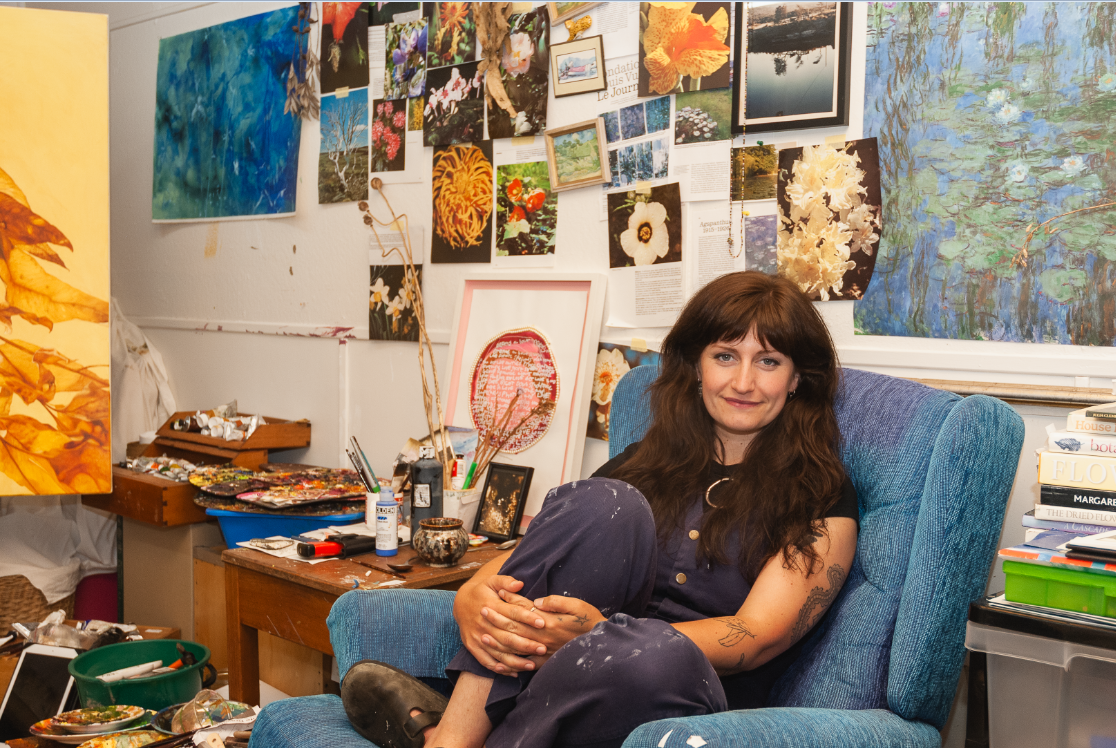
Portrait of Maggie Jeffries in her studio, 2025. Photographed by Lisa Giption / Artist Profile.
Jeffries’s academic background in both fine arts and psychology not only informs this link between the visual and internal but also reflects a long-held passion for collaboration and community arts. A 2020 fellowship at Creative Growth in California revealed alternative models for working with artists with disabilities, leading her to join the celebrated, disability-led creative group, Second Echo Ensemble in Nipaluna Hobart, where she provides artist support and participates as an ensemble member. “If I didn’t have that community connection, [studio practice] would be pretty lonely,” she observes, noting also the creative energy gained through collaboration.
Recent collaborations with fellow painter, George Kennedy on residency in Queenstown, as well as digital artist Alex Moss, have extended Jeffries’s creative practice. Her 2025 exhibition with Moss, The Weather at Midnight, used weather data to guide the artistic process, with Jeffries live painting in the gallery in response to Moss’s digital projections and audience interactions.
Jeffries’s professional breakthrough came in 2018 when Despard Gallery owner Steven Joyce invited her to participate in the Young Blood, 2019, emerging artist exhibition, eventually leading to her first solo commercial exhibition, All the Pearls, in 2021. One notable work, Barbie’s Garden, 2020, remembers Jeffries’s grandmother’s garden. The densely packed leaves and roses glisten with dew drops, evoking memories of tea parties and fairy gatherings. Her subsequent honours research project at the University of Tasmania provided the time to explore the links between the natural environment, place and memory in depth. The result was an expansive ten-metre-long panoramic painting in part inspired by Claude Monet’s Water Lilies series at the Musée de l’Orangerie in Paris.
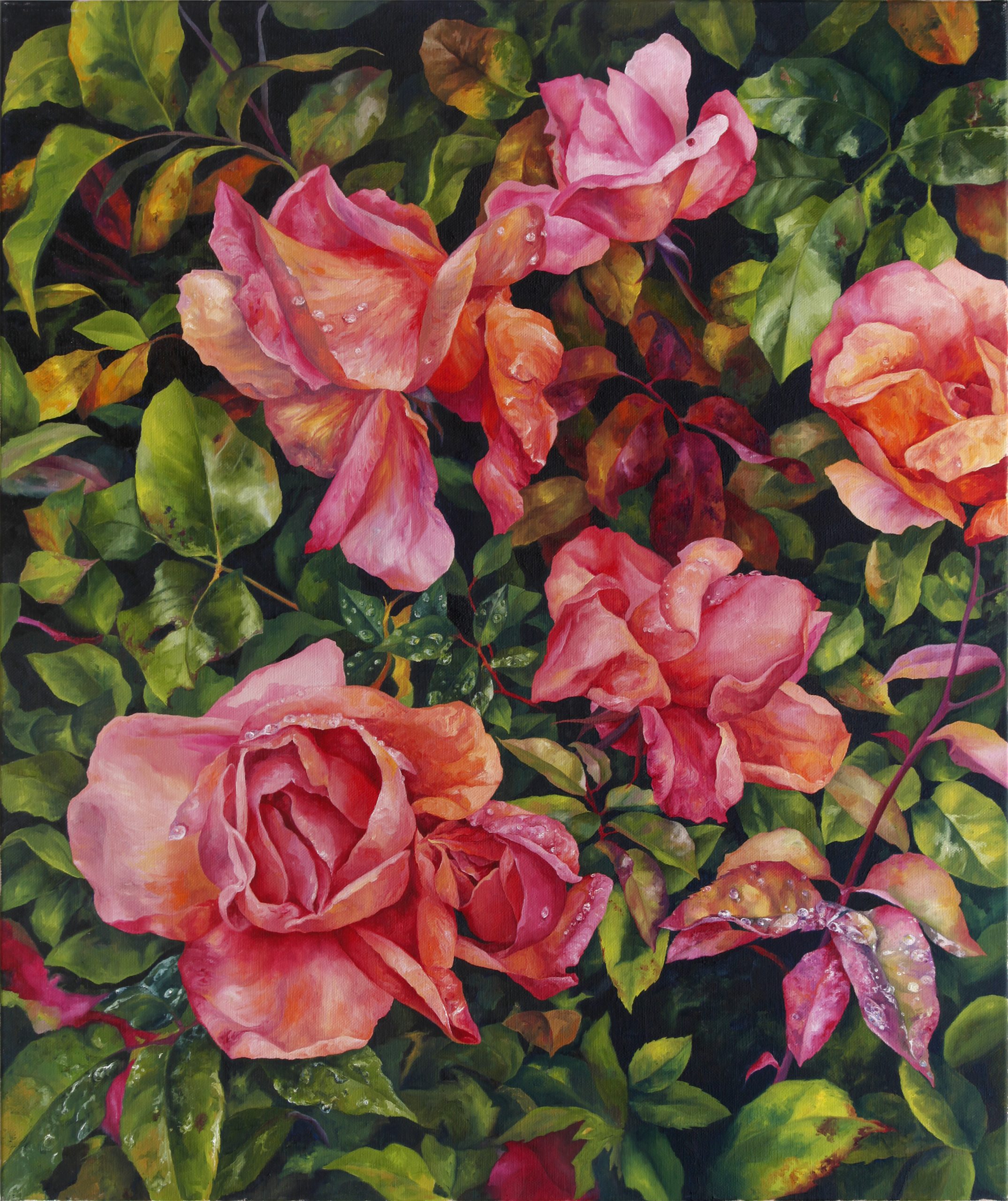
Maggie Jeffries, Barbie’s Garden, 2020, oil paint, linen, 91.5 x 76.5 cm.
The research led to a Rosamond McCulloch Studio Residency at the Cité Internationale des Arts the following year, allowing her to see Monet’s immersive paintings in person. Keen to explore the landscapes that inspired Monet, Jeffries undertook an ambitious week-long walk between the three villages along the Seine in which Monet had lived, plein air painting along the way.
This French experience left Jeffries with a new interest in transparency and the play of light on water, a theme pursued in her second solo show at Despard, Blue Honey, 2023. An encounter with leaves under the surface of a frozen fountain in a Parisian park, resulted in the curious composition, Lost Tail, 2023, with its layers of tangled plant debris submerged in murky green water. Little Moon, 2023, similarly celebrates fallen autumn leaves past their prime, the marks of decay painted in loving detail, at odds with the lifespan of the organic matter.
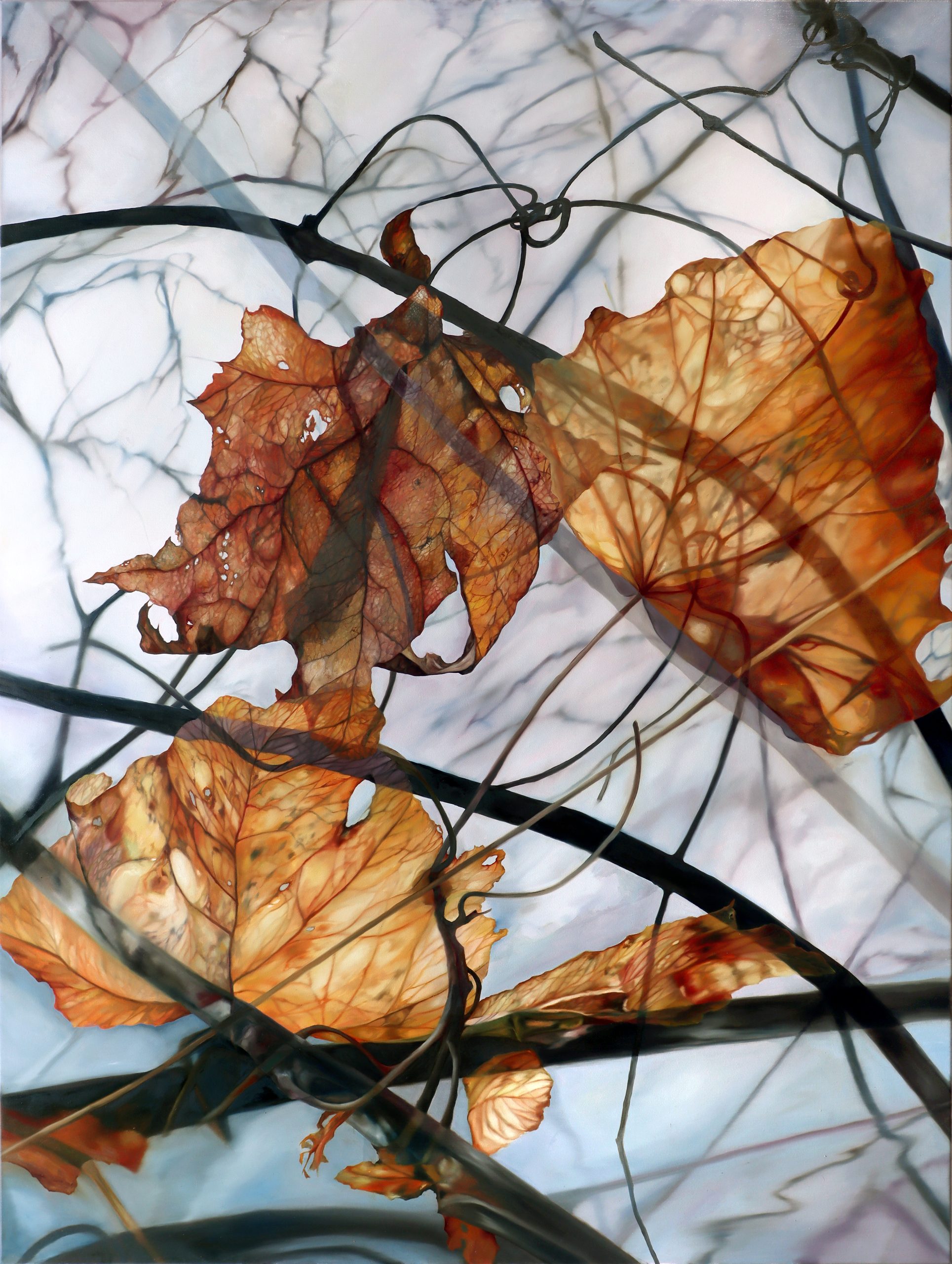
Maggie Jeffries, Little Moon, 2023, oil paint, linen, 122 x 92 cm.
Residencies continue to play a significant role in the development of Jeffries’s work, allowing her to “collect experiences with plants in real time.” Moth Ditty, 2024, a fiery canvas of bobbing seedpods, was painted on a residency at Clifton Beach, but the pods were encountered on a previous residency on Glover Country in Tasmania’s north, the memory of which informs the vibrant red background. “If it was golden hour [when I was with the source plants], then I want to have the background warm,” Jeffries explains. Moth Ditty’s hairy seedpods seem to defy gravity, and the stems are slightly translucent, emphasising their ethereality.
The flag irises in Water Fort, 2025, were sourced on a residency at Q Bank in the western Tasmanian town of Queenstown. While Jeffries usually works from digital photographs taken on site, in Queenstown she made cyanotypes—a camera-less photographic process, traditionally used to document plants. The colours in Water Fort pay homage to the traditional monochrome blue of the cyanotype, as well as the play with positive and negative space. The artist describes the resulting painting as “a copy of a copy of a copy,” with the layers of overlapping stems and petals built up from multiple source prints, creating a ghostly depth.
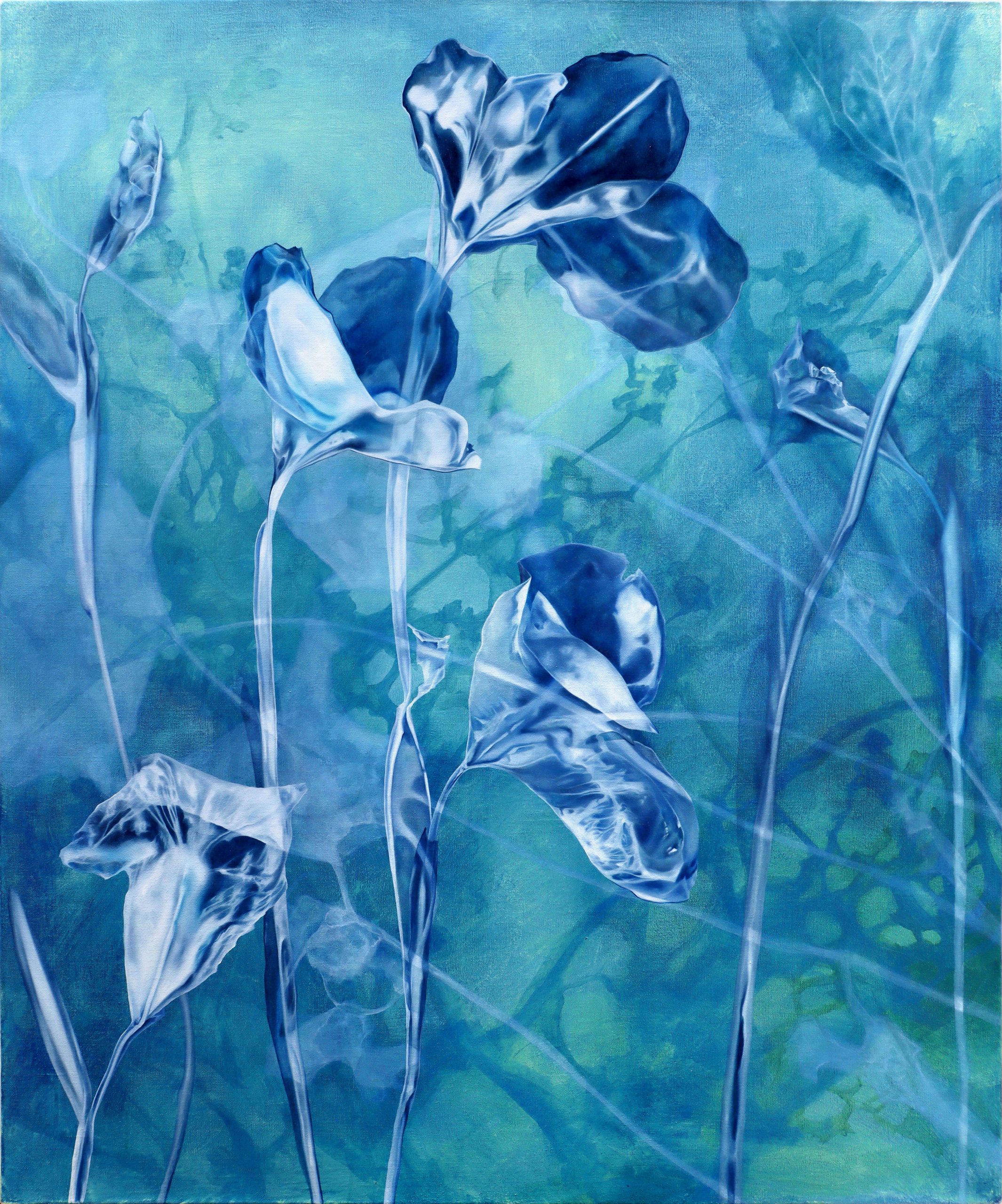
Maggie Jeffries, Water Fort, 2025, oil paint, linen, 122 x 102 cm.
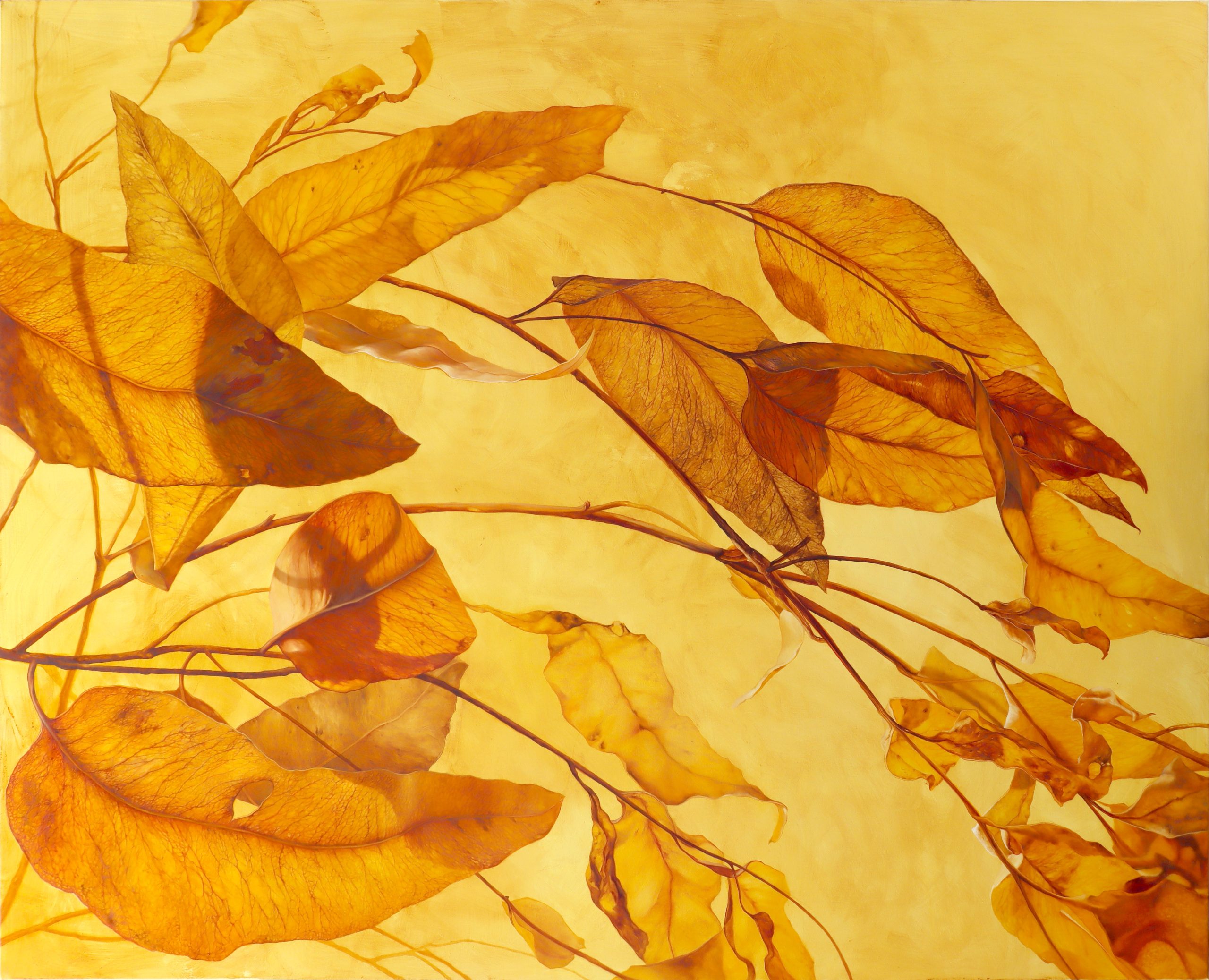
Cinnamon Girl, 2025, has another distinct colour palette, the branchlet of gum leaves painted in a rich orange. Sourced from her family home in bushy Hobart, for Jeffries the leaves evoked childhood memories as she held them up to the sun to reveal their vascular structure. The veins and natural imperfections are painted in fine detail, semi-transparent against the unembellished background.
As with most of her paintings, the title, Cinnamon Girl, relates to an “obscure memory” from childhood. To the general viewer, the titles are ambiguous, almost playful in their teasing, but for the artist, they’re an essential part of her process, often guiding the mood of the work. “I get to be cheeky and think you don’t have to know that [the full meaning],” she says. However, Jeffries also acknowledges that the meaning of the work is not fixed once the artist states their intention.
Underpinning Jeffries’s process is a sense of play, driven by her desire to capture “joy and curiosity,” and to draw attention to little things so often overlooked in adulthood. As the artist puts it, her paintings are ultimately about “paying homage to a small Maggie and childhood innocence.”
Exhibition
Night Citrus
3–28 June 2026
Despard Gallery, Hobart
Images courtesy of the artist and Despard Gallery, Hobart.
Dr. Lucy Hawthorne is a Hobart-based arts writer, artist and librarian.
The article was first published in Artist Profile Issue 74, 2026.
Edwards was born on Kaurna Yarta in 1998 and raised on Nauo Country in the small seaside community of Tulka, on the Lower Eyre Peninsula....

Under the auspices of Geelong Gallery’s director, Humphrey Clegg, and co-curated by Marianne Mathieu, former scientific director of the Musée Marmottan Monet, and Claire Durand-Ruel...
Nike Savvas: Purple Haze presents intimate screen prints and immersive large-scale installation and video work by Savvas from 2005–2026, each evocative of different places and...
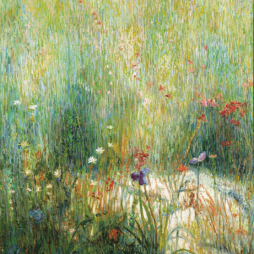
Although physically he is of modest stature, Zofrea has devoted much of his life to grand projects that have been conceived and executed on a...
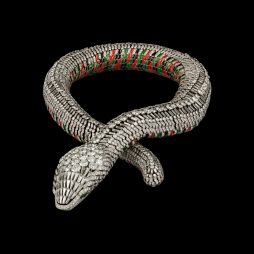
Through a multidisciplinary collaboration between Rotterdam-based curators, architect Paul Cournet of CLOUD and artist-designer Sabine Marcelis of Studio Sabine Marcelis, the exhibition explores the interplay...
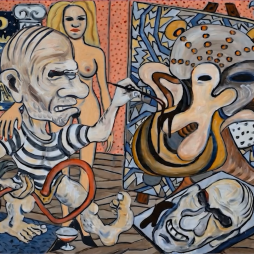
Artificial intelligence will be used by young artists who started using it as kids on their phones. They will see it as a natural extension...

This year’s Biennale arrives under more complex circumstances than most. It is shaped by the profound loss of its curator, Koyo Kouoh (1967–2025), whose exhibition...
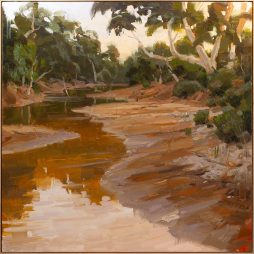
No artist creates in isolation. Every painting carries traces of the conversations, places and histories that shaped it, preserving within its surface a particular moment...
The weekend markets at Fairfield Showground have been one of Western Sydney’s great institutions for more than fifty years. Fresh fruit and vegetables, children’s clothes,...