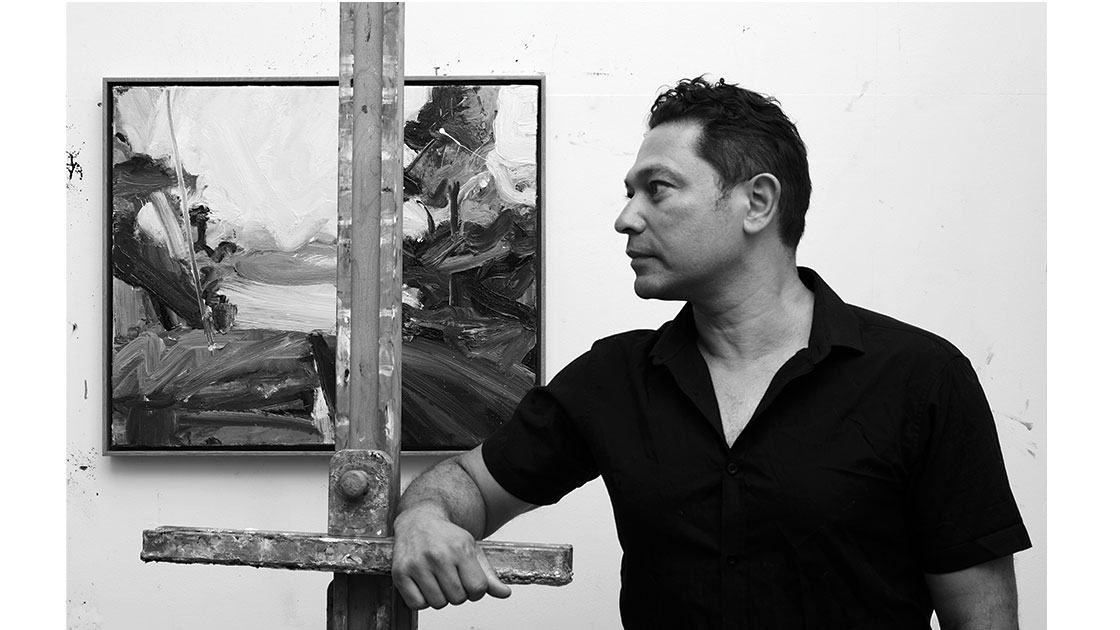
Robert Malherbe
Something Must Remain, currently exhibiting with James Makin Gallery, sees renowned painter Robert Malherbe pursue personal, idiosyncratic engagements with the major genres of Western painting, across landscape, portraiture, and still life.
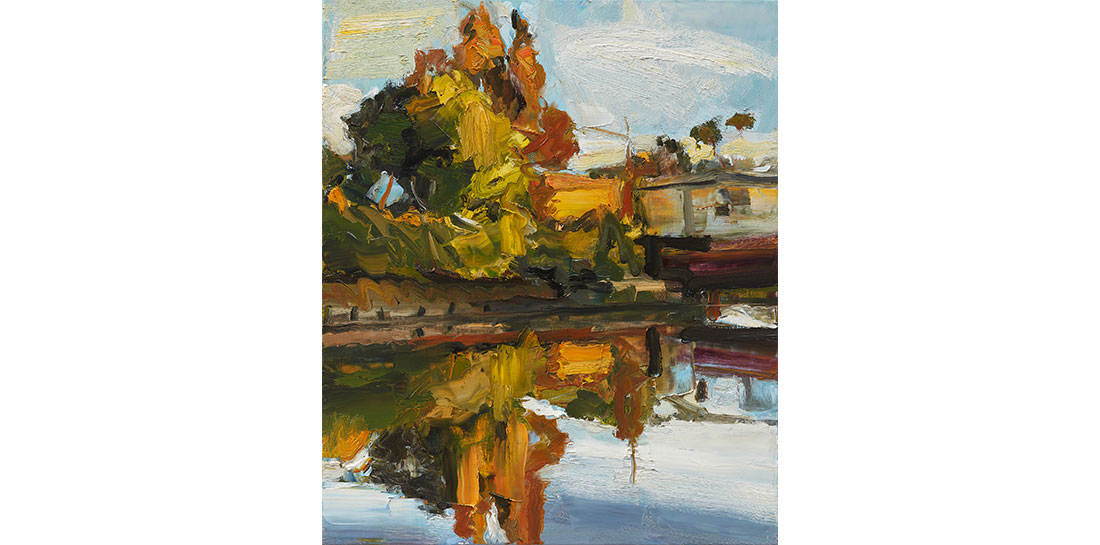
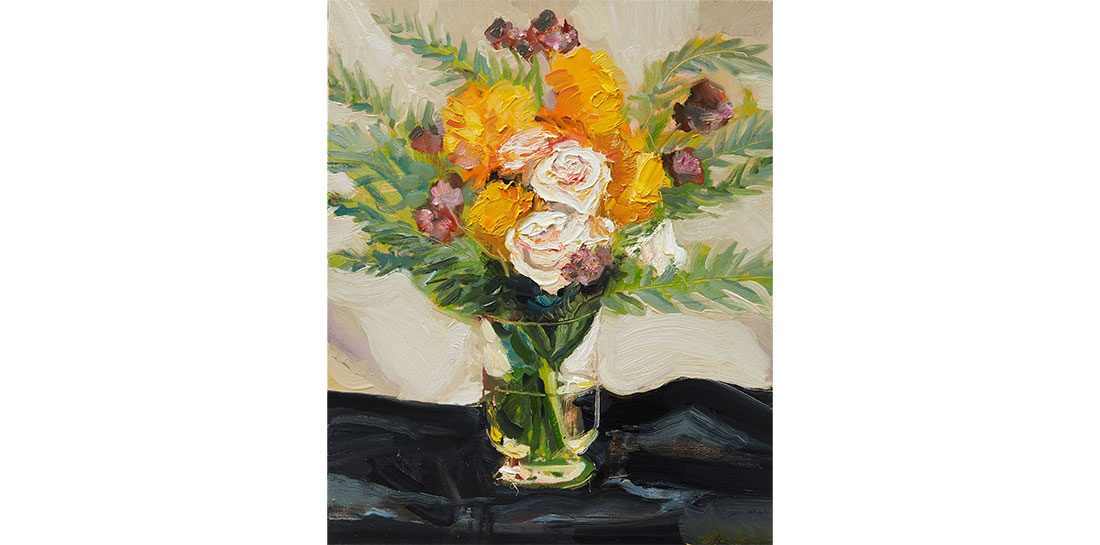
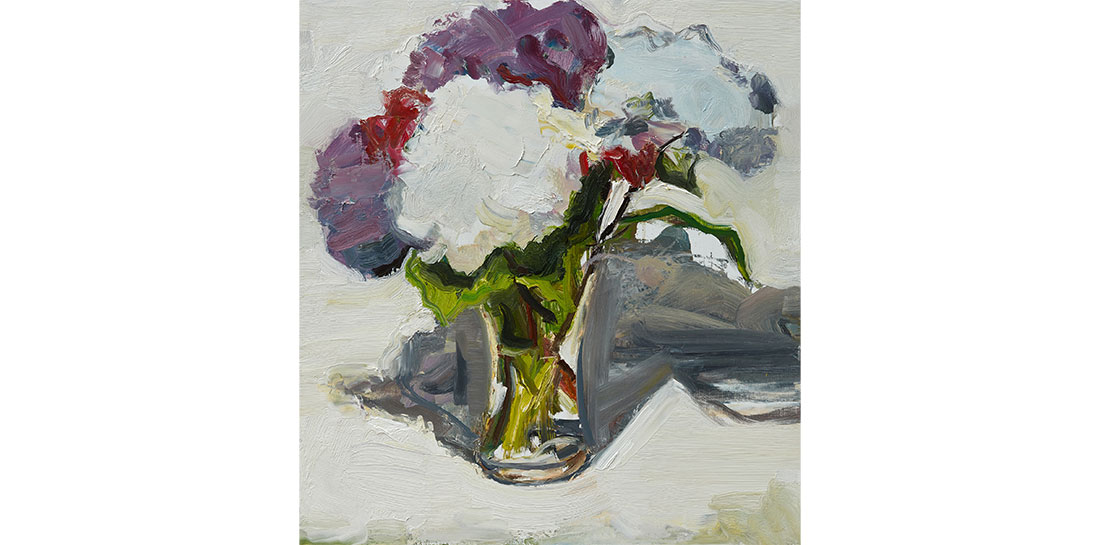
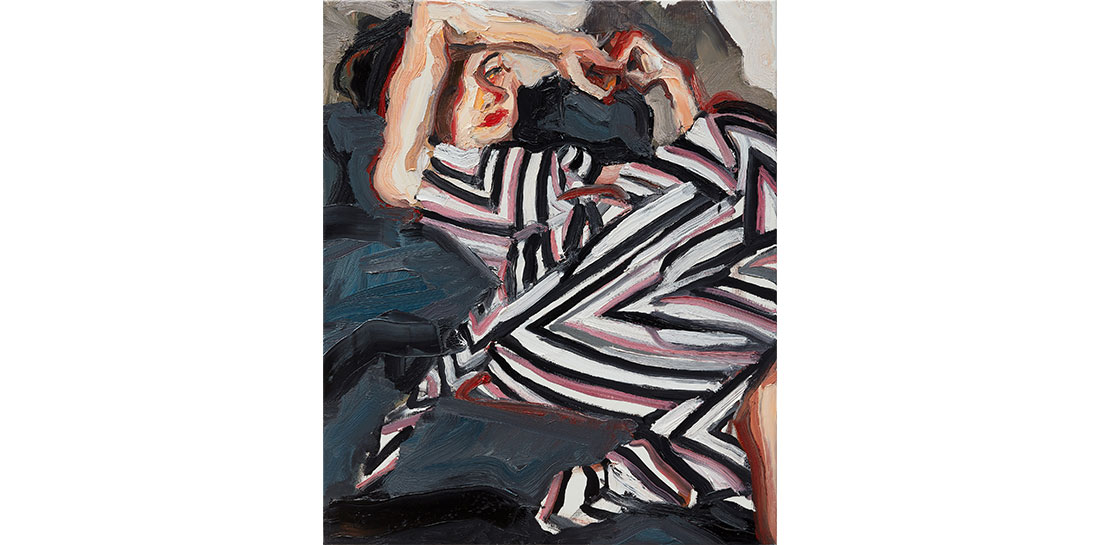
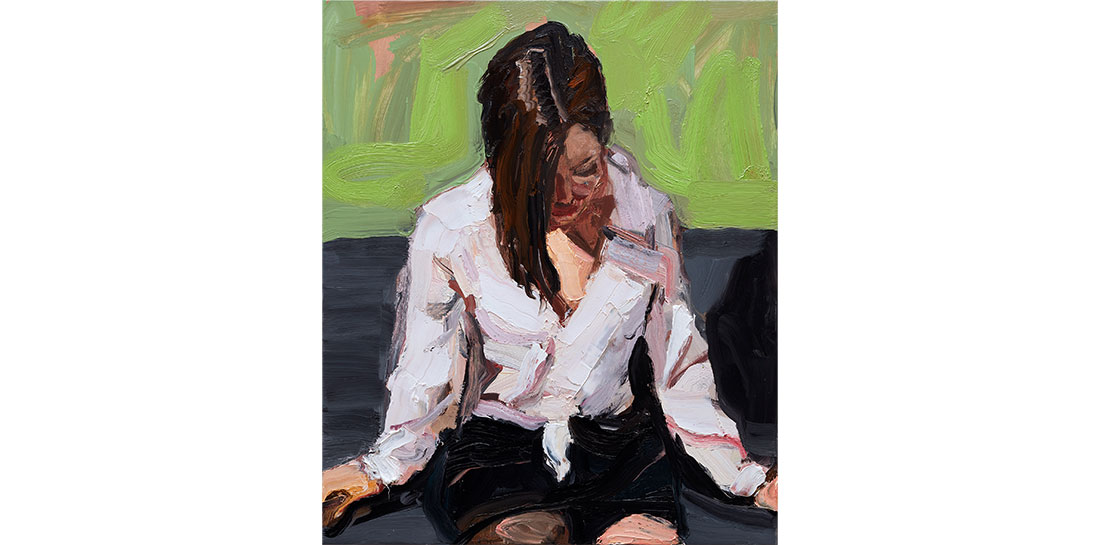
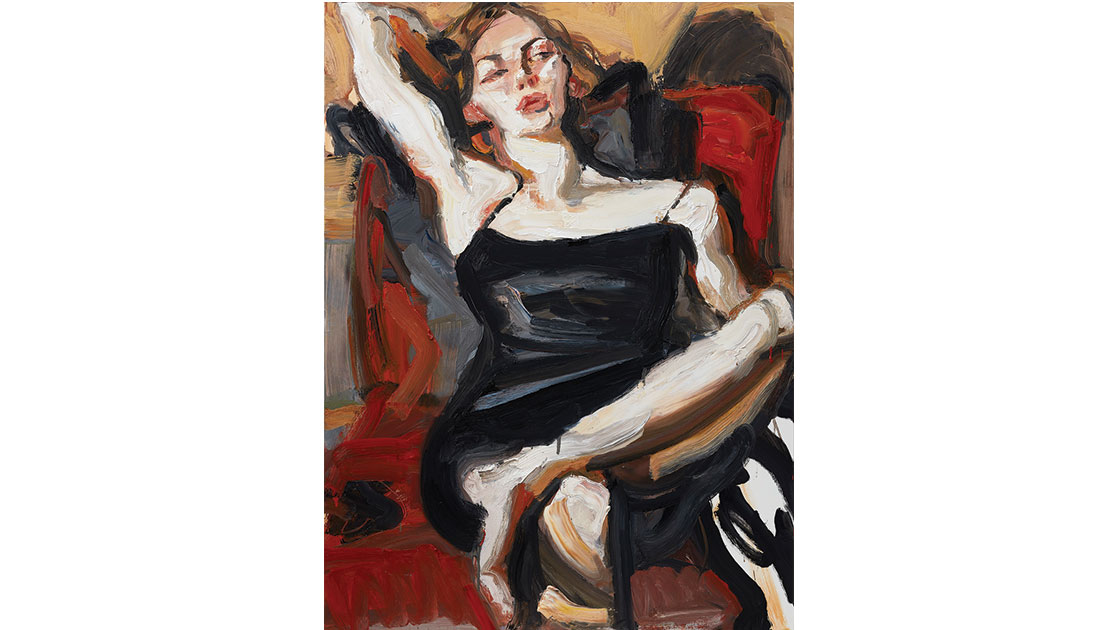
There is a cloud cluster pressed into the left of the frame in Afternoon Lake 4, 2022; it’s wound around the body of the tree canopy next to it, which shines with bright autumnal colour. Both the body of the leaves and the body of the cloud are ful and vital in this picture, rendered in Malherbe’s characteristically luscious impasto. In the reflection of the titular lake, both the trees and the buildings and clouds behind them are shown in smoother strokes, though they’re no “clearer” for this smoothness. The painting is glassy and calm, and yet has the sense of being done on an inhalation – as if everything is in its place, but only for a moment. The view is intimate and intensely personal, even though it pictures public space.
Judith Pugh has written, for Artist Profile, about the connections between Malherbe’s early training in animation and his approach to painting. Certainly, there is a sense of movement throughout all of his works in this show, even in the “still” lifes – where the enthusiastic gestures of brushstrokes themselves lend this energised quality. In a statement for this exhibition, Malherbe reflects on the fleeting nature of haptic experience, and contrasts this with the comparative permanence of paint: “If I have something to say with paint, say it now because everything disappears, everything vanishes. Something must remain.”
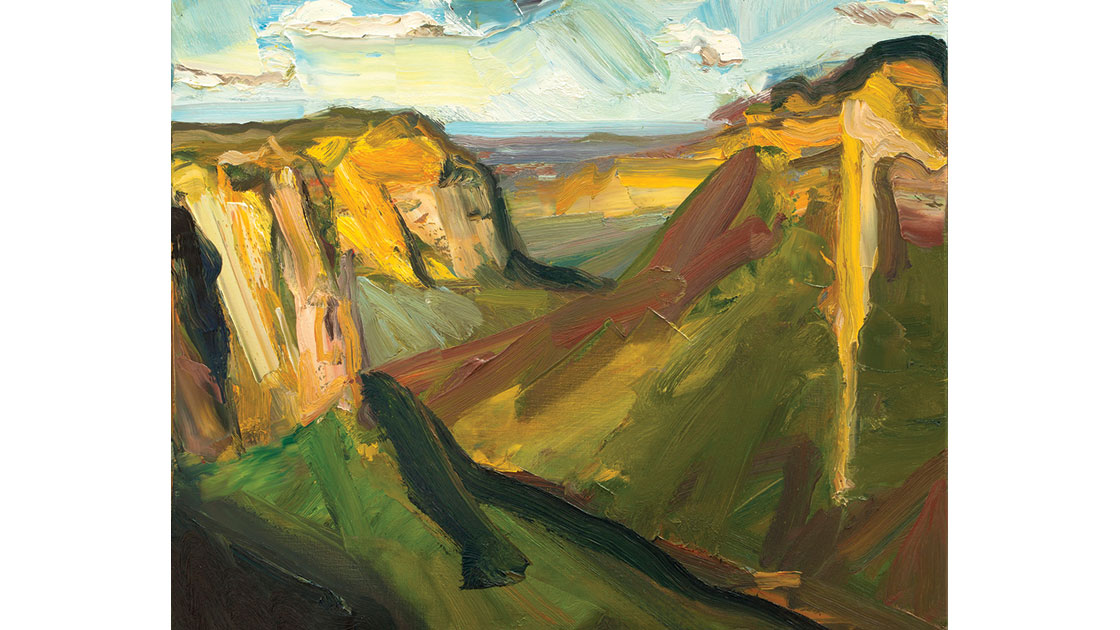
This emotive statement can also clue us in to the hugely personal nature of Malherbe’s work, though he works within recognisable genres including landscape, still life, and portraiture. Many of the portraits are framed tightly around the subjects’ bodies. Their perspective is distinctly Malherbe’s – that is, they are consciously a representation of an other by the artist, rather than an exercise in getting at the subject’s own point of view of themselves. In this sense they are relational, and they’re often incredibly intimate, no less so when the subject is clothed than when they’re nude. Even the landscapes have a sense of intimacy, in the way they evoke moments in the painter’s experience of land and of being in land, with all the affective charges that these moments can take on. Still lifes, too, have sense of Malherbe’s distinct interpretation of a genre. “Almost everything is already there in painting, but when I look, what’s missing is my take on the various painting subjects, my take on the figure, my take on the landscape, my take on the still life,” he writes. A distinct window into the mind and hand of the artist, Something Must Remain registers fleeting experience and renders it still – if only for a moment.
EXHIBITION
Something Must Remain
9 – 24 July 2022
James Makin Gallery, Melbourne
Two years ago, Macleod returned to his hometown of Christchurch, New Zealand, to be with his mother during the final phase of her life. At...
Edwards was born on Kaurna Yarta in 1998 and raised on Nauo Country in the small seaside community of Tulka, on the Lower Eyre Peninsula....

Under the auspices of Geelong Gallery’s director, Humphrey Clegg, and co-curated by Marianne Mathieu, former scientific director of the Musée Marmottan Monet, and Claire Durand-Ruel...
Nike Savvas: Purple Haze presents intimate screen prints and immersive large-scale installation and video work by Savvas from 2005–2026, each evocative of different places and...
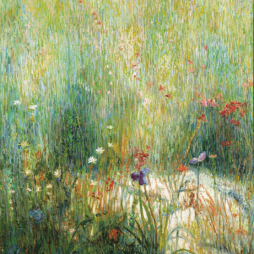
Although physically he is of modest stature, Zofrea has devoted much of his life to grand projects that have been conceived and executed on a...
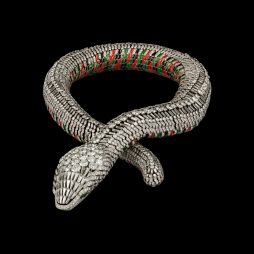
Through a multidisciplinary collaboration between Rotterdam-based curators, architect Paul Cournet of CLOUD and artist-designer Sabine Marcelis of Studio Sabine Marcelis, the exhibition explores the interplay...
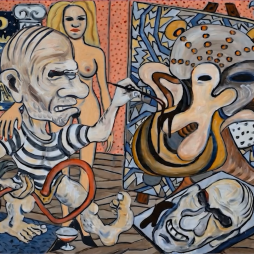
Artificial intelligence will be used by young artists who started using it as kids on their phones. They will see it as a natural extension...

This year’s Biennale arrives under more complex circumstances than most. It is shaped by the profound loss of its curator, Koyo Kouoh (1967–2025), whose exhibition...
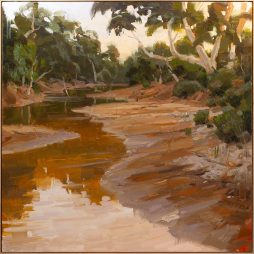
No artist creates in isolation. Every painting carries traces of the conversations, places and histories that shaped it, preserving within its surface a particular moment...