ESSAY I Euan Macleod’s In Darkness Let Me Dwell
The figure that has evolved in Euan Macleod’s paintings across the decades is a wanderer, moving into the allegorical space of his own becoming. This pictorial world has firm origins in the artist’s experiences and never has it been more acutely personal than in the paintings of In Darkness Let Me Dwell, 2026.
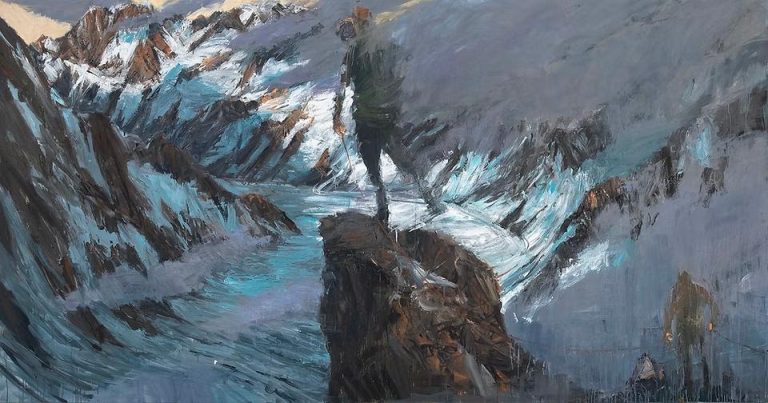
Two years ago, Macleod returned to his hometown of Christchurch, New Zealand, to be with his mother during the final phase of her life. At Sumner Beach, they revisited the familiar rock formation known as Tuawera or Cave Rock, a hulking, volcanically formed volume opening onto an interior space that changes with the tides. To a painter who builds then excavates his pictures until figure and ground haunt each other, it seems destined to have become a motif, reflecting intense emotions that were, for him, inflected with beauty.
“I used to take my mother in the wheelchair and do drawings,” he explains in his studio in suburban Sydney, in advance of the exhibition at King Street Gallery on William. In the most directly autobiographical picture, a man wheels a woman dressed in violet along the seawall, while in the cavity of the rock a human body trails off into vapour. Few painters would naturally arrive at such raw expression; it is possible for Macleod due to the depth of feeling that underscores the work and because the painterly dissolution of earth and flesh into atmosphere has been intrinsic to his work for years. On an adjacent wall of the studio, a group of small, gouache on paper paintings, alive with the interplay of form and void, shows the genesis of the exhibition. “They were done very quickly,” Macleod says, “and without any thought of resolution.”
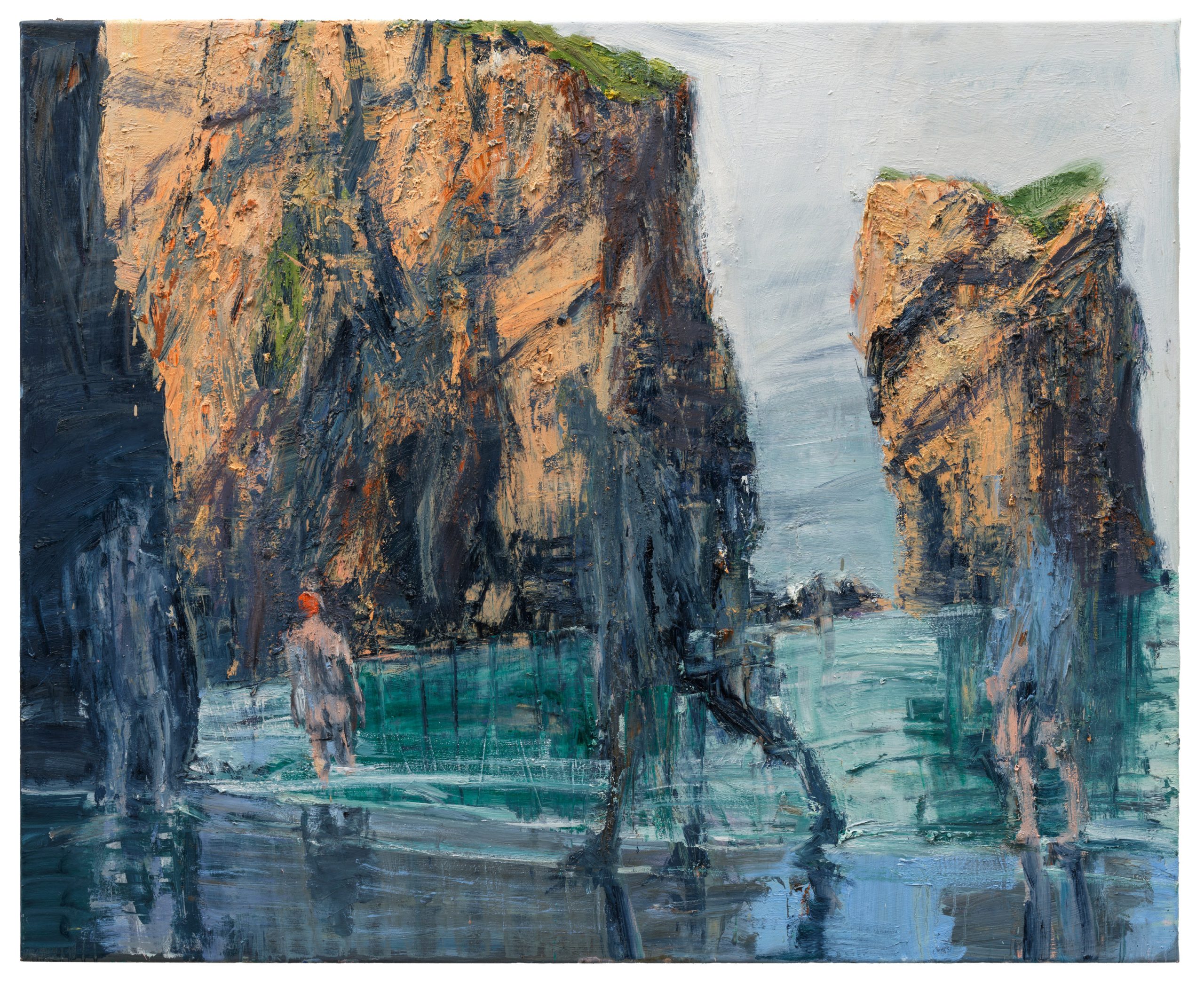
Tunnel Beach, 2026, oil paint, polyester, 100 x 124 cm. Photographed by Jenni Carter.
As open as he is to conversing about the circumstances behind his new work, he prefers that the pictures be understood emotionally rather than factually. “People put their own meaning onto a painting, and I love it when somebody says to me, ‘that one reminded me of a time when. . .’ But,” he adds, standing near a mysterious composition of an umbrella-bearing figure in driving rain, “the only way you can get that is through the integrity and honesty you put in yourself.”
As an art student at Christchurch’s Ilam School of Fine Arts in the late 1970s, Macleod entered a culture in which abstraction reigned and local imagery was scorned as regional. From the distance of almost fifty years, he can express gratitude for the rigour that education gave him, while recognising that he was never going to become the kind of painter that teachers like Ted Bracey (1936–2009) were intent on fostering. “Art needs something to nurture it,” he concludes. “The formal side of things is very important and I was really glad to go through that because there was an emphasis on trying to paint a good painting. But that, to me, is never an end in itself.”
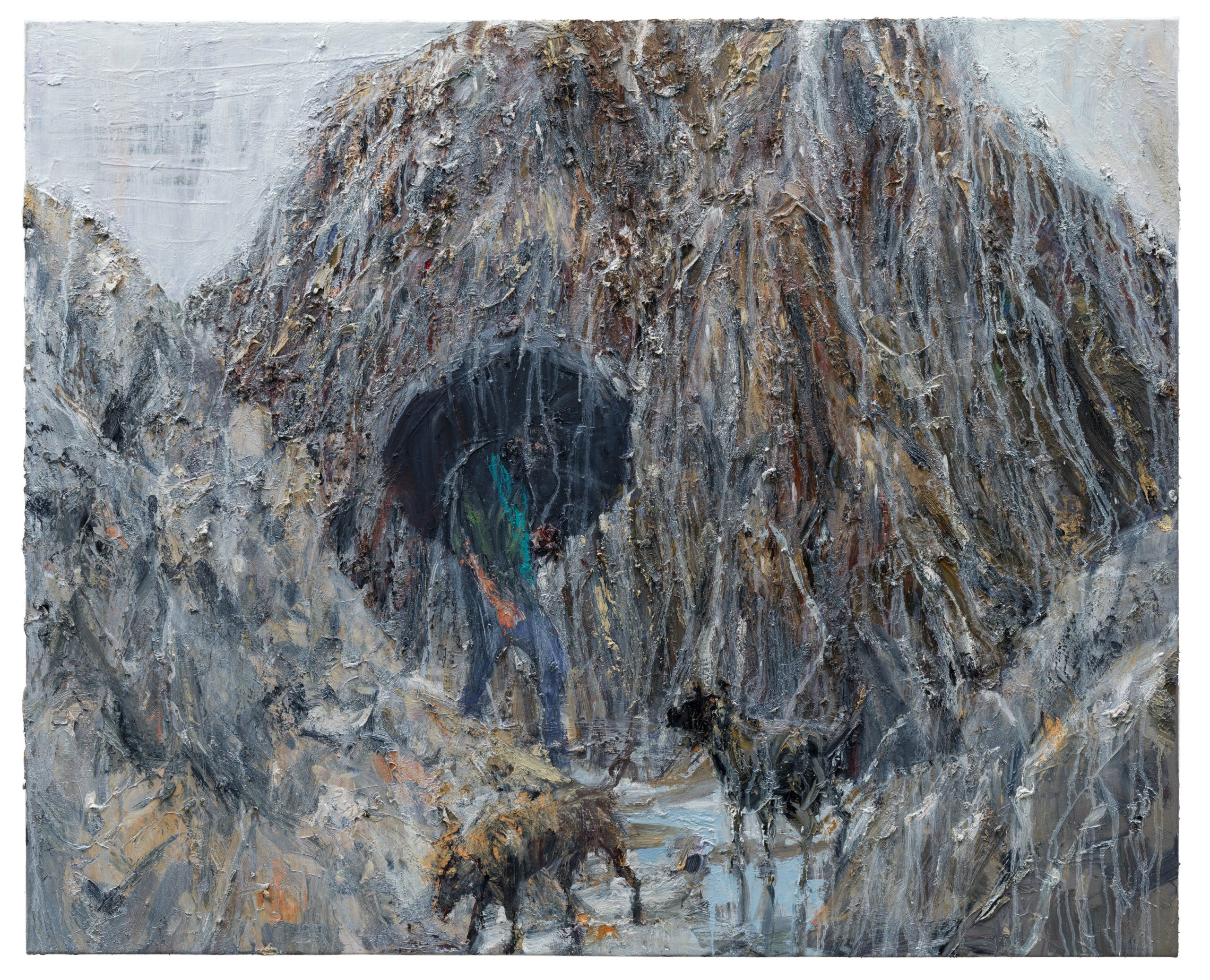
Umbrella and 2 Dogs, Corinth, 2026, oil paint, polyester cotton, 100 x 124 cm. Photographed by Michael Bradfield.
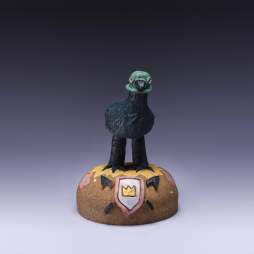
Edwards was born on Kaurna Yarta in 1998 and raised on Nauo Country in the small seaside community of Tulka, on the Lower Eyre Peninsula....

Under the auspices of Geelong Gallery’s director, Humphrey Clegg, and co-curated by Marianne Mathieu, former scientific director of the Musée Marmottan Monet, and Claire Durand-Ruel...
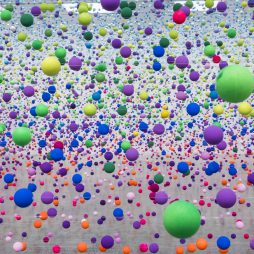
Nike Savvas: Purple Haze presents intimate screen prints and immersive large-scale installation and video work by Savvas from 2005–2026, each evocative of different places and...
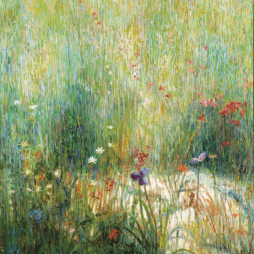
Although physically he is of modest stature, Zofrea has devoted much of his life to grand projects that have been conceived and executed on a...
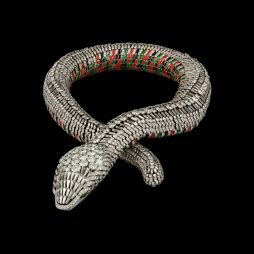
Through a multidisciplinary collaboration between Rotterdam-based curators, architect Paul Cournet of CLOUD and artist-designer Sabine Marcelis of Studio Sabine Marcelis, the exhibition explores the interplay...
Artificial intelligence will be used by young artists who started using it as kids on their phones. They will see it as a natural extension...

This year’s Biennale arrives under more complex circumstances than most. It is shaped by the profound loss of its curator, Koyo Kouoh (1967–2025), whose exhibition...
No artist creates in isolation. Every painting carries traces of the conversations, places and histories that shaped it, preserving within its surface a particular moment...
The weekend markets at Fairfield Showground have been one of Western Sydney’s great institutions for more than fifty years. Fresh fruit and vegetables, children’s clothes,...