ESSAY: Judging art prizes in Australia
Everyone loves an art prize.
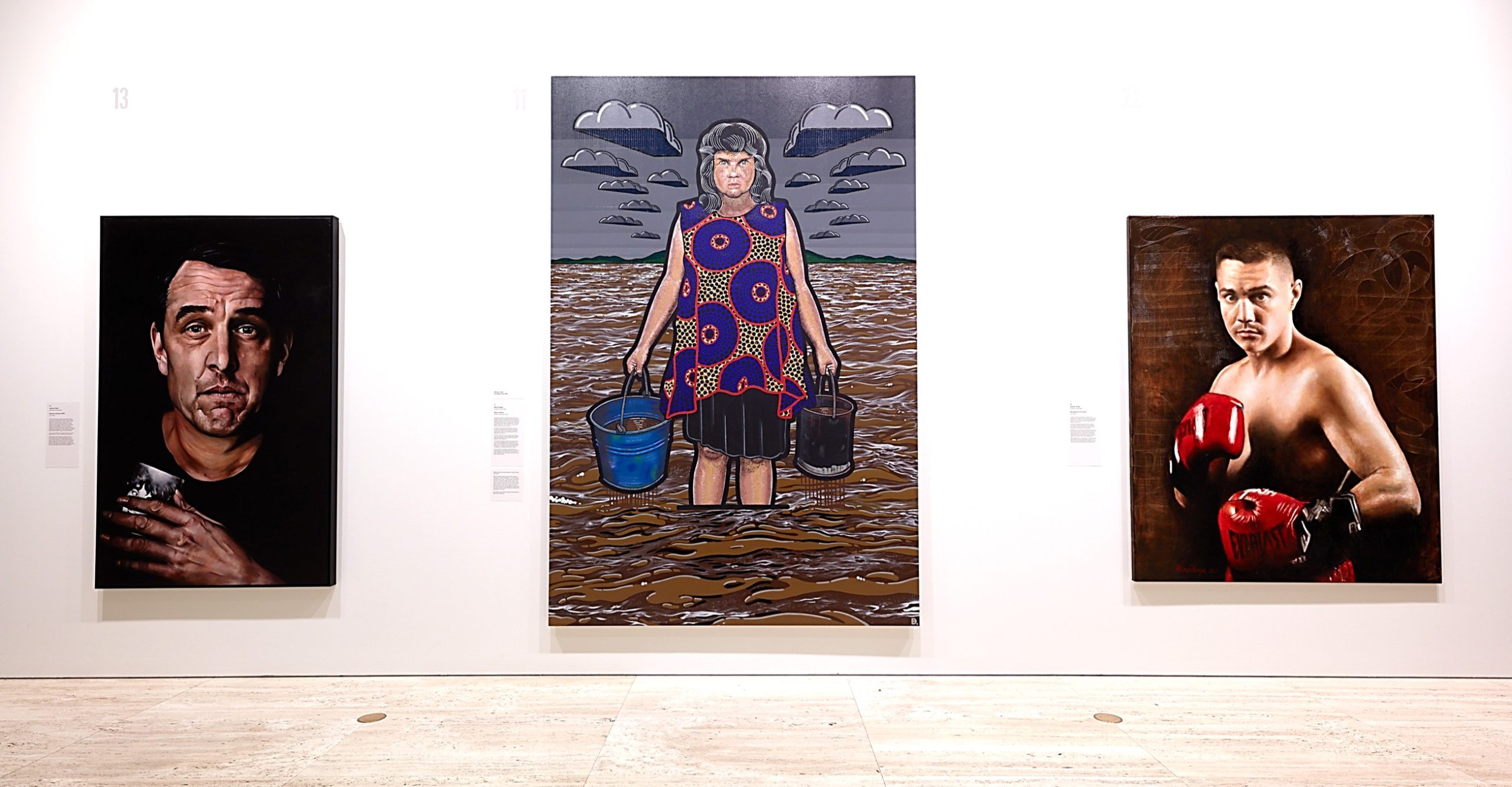
Australia’s addiction to art prizes is difficult to comprehend. To the best of my knowledge, Australia has more art prizes per head of population than any other country in the world. There are about seventy-five major art prizes and up to 900 smaller ones. Some may explain it as part of our national betting culture, others see it as a product of the undeniable and inexplicable success of the Archibald or simply the need to democratise the “white cube” and to bring art to the level of a horse race where everyone feels free to have their say and to take a punt.
In an art competition is everyone—the artist, organiser and viewing public—a winner? For artists there is the glittering hope of the prize and publicity, but more realistically, it is a possible venue to display and sell their work. This is at a time when commercial art galleries are increasingly becoming a threatened species.
For the organiser, a well-run art competition can be a revenue raising venture as well as an example of hi-vis patronage. Many of the major art competitions attract over a thousand entries and carry a prize purse of about $30,000. Each entry usually comes with a fifty-dollar fee. On simple arithmetic, the entry fees bring in over $50,000 and there is additional income from sales from entered artworks with most competitions charging at least a thirty percent commission. Also, some competitions are acquisitive, so that is another sum in the income ledger. Needless-to-say, there are costs to cover with venue hire, publicity, staffing, etc. An art competition may not start out as a money-making venture, but nor need it be an act of philanthropy that will severely drain an institution’s finances.
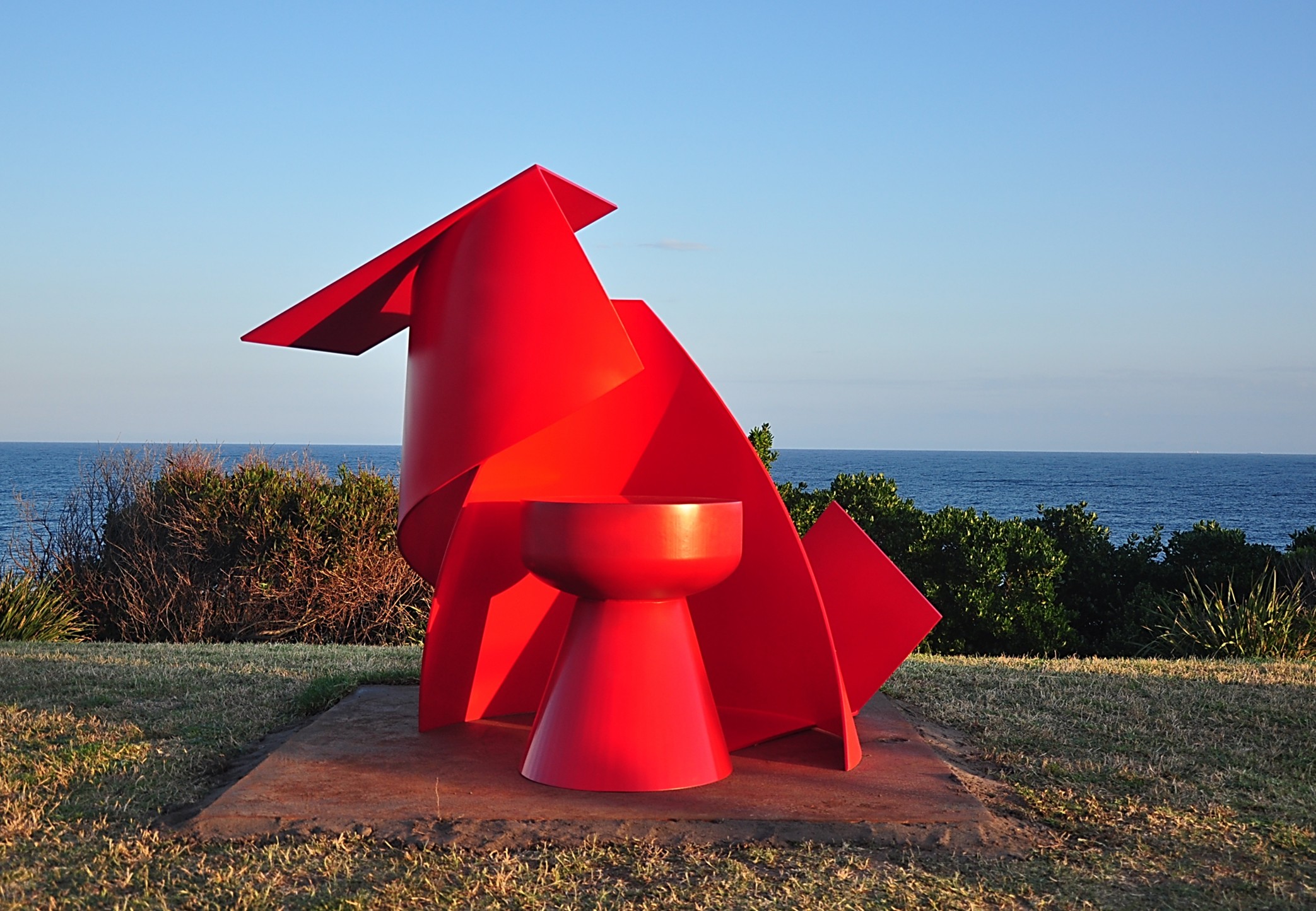
Ron Robertson-Swann, Inner Sanctum, 2011, steel, enamel paint,159 x 165 x 164 cm. Exhibited at Sculpture by the Sea, Bondi, Sydney. Photographed by Clyde Yee.
The art public generally loves art competitions and flocks to them. Leaving aside the popular, community-based art competitions, and the Archibald—that is a huge money-making venture for the Art Gallery of New South Wales (AGNSW) and is as much a sociological as an art phenomenon—marketing of art through art competitions can be a viable business. Commissions are generally lower than in many commercial art galleries and the range of artists broader than tightly curated shows selected from a gallery’s stable of artists. And for the viewer, there is always a chance that they will see something unexpected that they fall in love with.
Don’t bother entering an art prize until you find out who’s judging it
“It all depends on the judge on the day” is a frequent retort one hears about art prize judging. Having judged over thirty major art prizes and served as the solo judge for art prizes with a winner’s purse of between $30,000 and $125,000, I wonder if the judging process is as subjective as is frequently claimed. Is there anything approaching an objective yardstick when it comes to judging contemporary art?
Many years ago, when I was freshly appointed to establish the academic discipline of art history at the Australian National University, I was approached to co-select the finalists for what was then Canberra’s richest art prize. As I recall, there were about 350 entries lined up against the walls in Canberra’s Albert Hall, and I was asked to whittle them down to about thirty finalists and make a reserve list of five others. My co-judge was Udo Sellbach. He came in the morning to make his list of thirty plus five and I came in the late afternoon to make my list. The following day, the two lists were brought together to try to establish the list of finalists. What amazed me was that although Sellbach was many years my senior and was trained in Germany, he had arrived at virtually the same selection of finalists as myself. As I recall, twenty-eight of my thirty finalists were on his list, and the discrepancies were accounted for on my reserve list of five. How was this possible? There was no collusion; we had markedly different tastes in art and, at that stage, we had not yet become close friends. Nevertheless, with uncanny exactitude, we had separately selected the same ten per cent as the best works out of a broad national field of artworks.
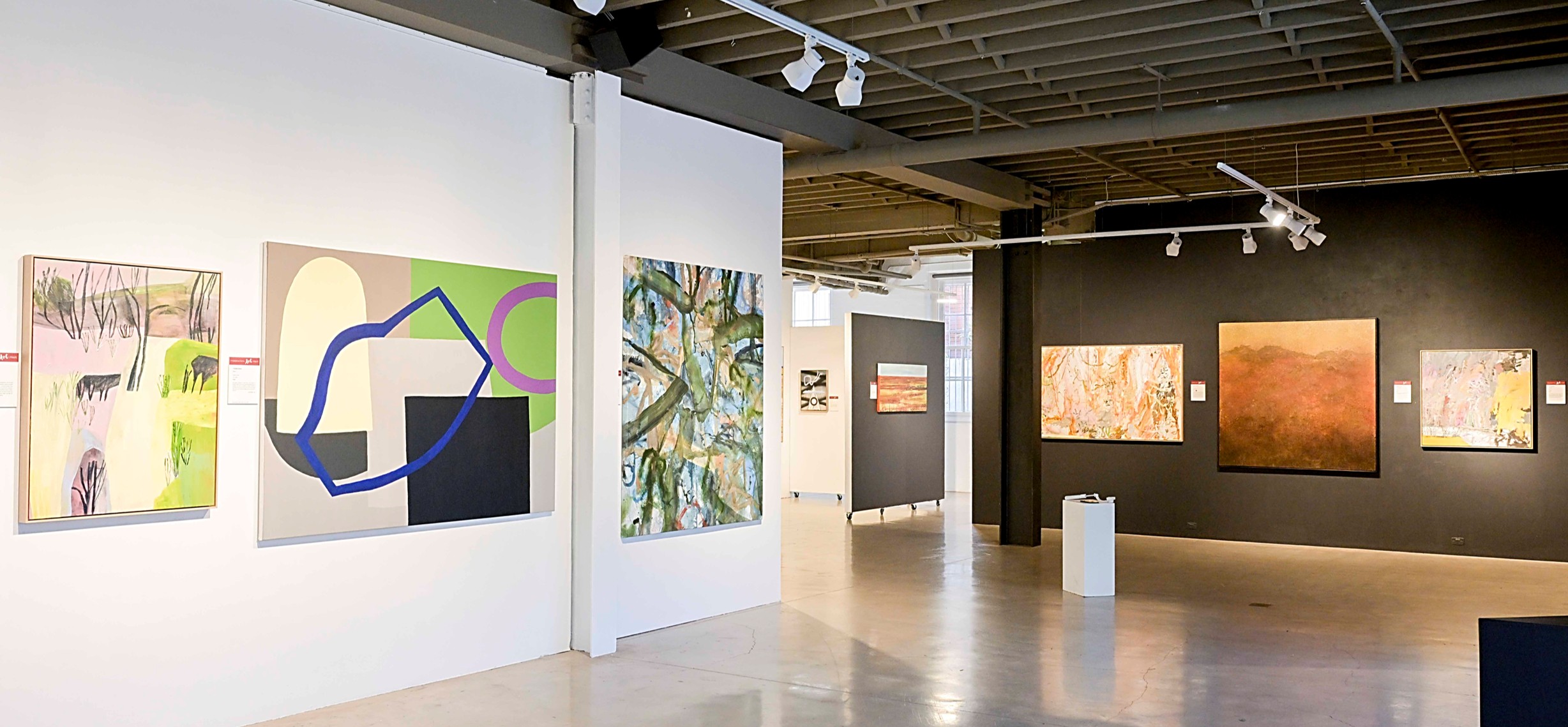
Installation view, of the $30,000 National Acquisitive Paddington Art Prize, 2024, Art Leven Gallery, Redfern. Photographed by Pia Antico.
This experience I found repeated on numerous occasions on other shortlisting exercises, such as with The Blake Prize and the Waterhouse Natural Science Art Prize, where there were much larger selection panels, or Sculpture by the Sea and the Paddington Art Prize with more manageable structures. The fly in the ointment only occurred when a judge with a non-arts background was present, representing the sponsor or a special interest group. They seemed to have little in common with the “art judges.” I arrived at the conclusion that there is something termed “visual literacy” that most people working in the arts develop and this is something that is fairly universal and goes across styles, mediums, and genres.
The Archibald Prize bucks this trend. Here the judges are the Board of Trustees of AGNSW, where under the terms of the Art Gallery of New South Wales Act 1980, there are eleven trustees “at least two of whom shall be knowledgeable and experienced in the visual arts.” The two on the present board who are knowledgeable in the visual arts are Tony Albert and Caroline Rothwell, while the other nine may be excellent trustees—captains of industry, patrons and benefactors—but require no art knowledge. This is one of the reasons why almost invariably art professionals decry the quality of the Archibald finalists and the winner, while the broader community, that votes with their feet, applaud or are at least curious about the selection. When the Archibald was first awarded in 1921, the AGNSW was a very different outfit and most of its trustees were artists who sat in judgement over their peers. A century later, the institution and the board have, quite appropriately, changed, but the rules for the judging of the Archibald have not and cannot be altered.
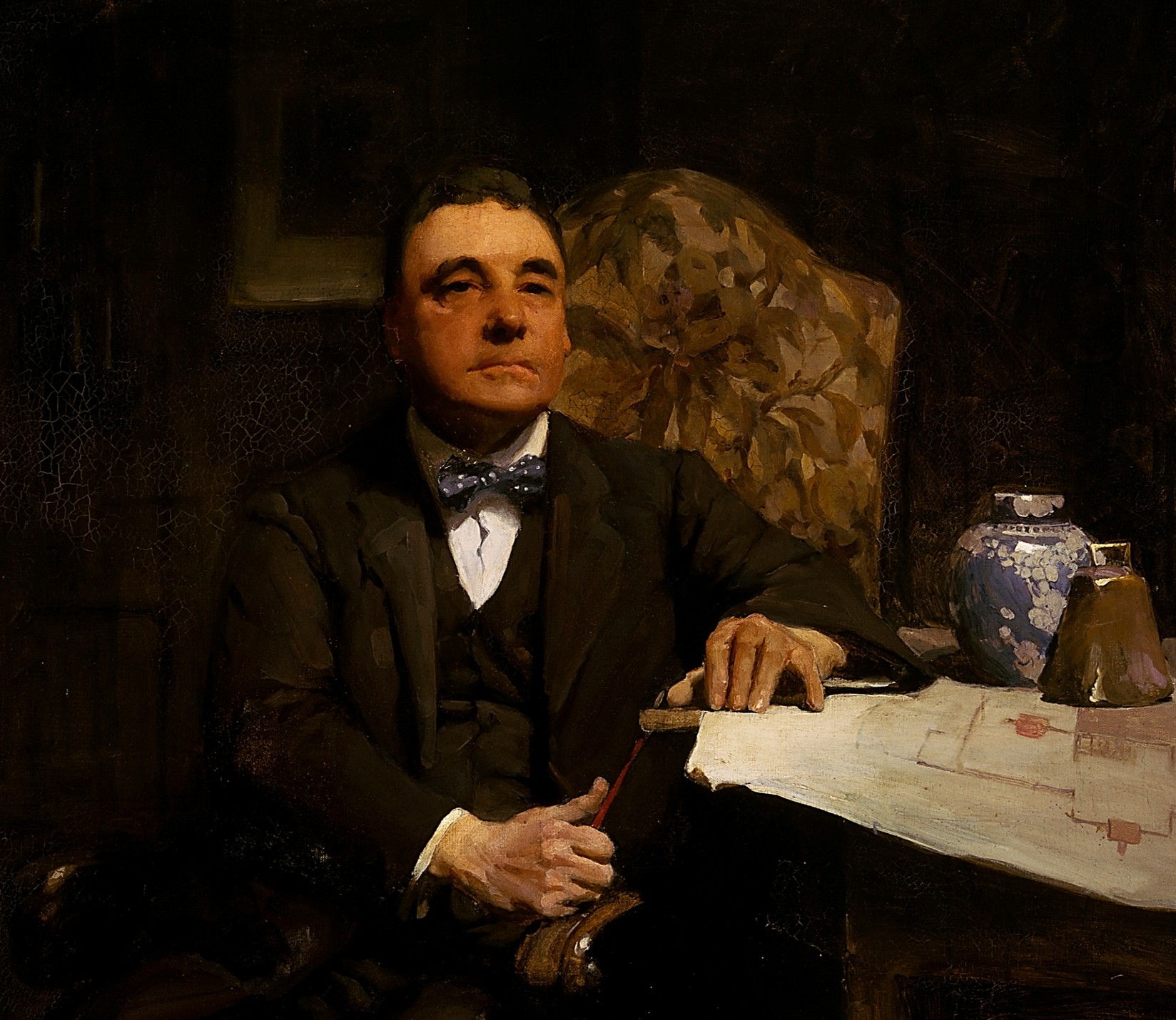
W B McInnes, Desbrowe Annear, oil paint, canvas, 107.5 x 104.2 cm, winner of the Archibald Prize in 1921, © the artist, image Art Gallery of New South Wales
And the winner is. . .
The selection of finalists may be generally ascribed to the triumph of visual literacy, but what about judging the winner from the selected field? In my experience, this is where the most heated arguments occur. Unless you are the sole judge, frequently a cluster of three or four finalists emerge as the front runners from which the judges need to settle on a winner. Any art prize with more than three judges is a recipe for disaster. From my perspective, one is the perfect number. If the organiser is unhappy with the winning work, it can dump the judge the next time round. Two may be complex but also provides for a way out. In 1997 I judged The City of Hobart Art Prize with Bea Maddock. She turned to me with a wink in her eye and said, “when some disgruntled finalist complains that they have not been awarded the prize, simply say that it was the other judge’s fault, and I will do the same.” The trinity of judges is frequently the norm, but in my experience very rarely was the final decision arrived through a vote of two to one as most of the other judges were very reasonable and saw it my way.
It is probably at this stage that personal preferences come most into play. The judge may arrive at a conclusion that any of the three finalists could win, but here the fault lines appear. Although the judge says to themself that it must be the best painting, print, sculpture, photograph, textile, or ceramic piece that will win, sometimes a hidden voice will say: “it may be a brilliant painting, but she has done better ones,” or “he has won so many prizes, but for her it will make a real difference,” or “this is the best work that I have ever seen this artist make.” Should a judge be swayed by such considerations? I hope not.
Some art competitions attempt what is termed “blind judging,” where the artist’s identity is supressed and the judges are invited to see the work purely on its merits. This is a naïve strategy as most art judges are professionals and have been around the traps and can recognise the work of most of the artists. Personally, I prefer the maximum disclosure approach and arming the judge with all the available materials including a curriculum vitae and artist’s statement. Ultimately, you convince yourself that you are awarding the prize to the best work in the show. You also know that as you walk out to make the announcement, you have thirty or forty friends and, moments later, only one will be confident that you made the right call, as it was clearly the best work, and the rest look at you with disappointed eyes.
How are the judges selected and are there horses for courses?
Art judges frequently do not get paid for their services and may be offered a bottle wrapped in pretty paper and have their costs covered if travelling from interstate. Sometimes, some of the art prizes appear to be ideologically orientated with the organisers having a social justice, gender, or political agenda. The organisers then tend to select art judges who share these sympathies, frequently artists who could be considered as fellow travellers. It is not always a level playing field and, in these cases, potential artists should check on the names of the judges before submitting an entry.
I am not convinced that the best way of assessing art is on the principle of a horse race and some of the best, quiet, meditative, slow art is overlooked in favour of the bolder attention-grabbing pieces. However, art competitions are here to stay and are one means for an artist to gain recognition and occasionally make some money. This surely cannot be such a bad thing.
EXHIBITIONS
Wollongong Art Prize
5 December 2025 – 1 March 2026
Wollongong Art Gallery, NSW
Sculpture by the Sea, Cottesloe
6 – 23 March 2026
Cottesloe Beach, Western Australia
2026 Ravenswood Australian Women’s Art Prize
16 to 31 May 2026
Centenary Centre, Ravenswood School for Girls, Gordon, NSW
Images courtesy of the artists; Paddington Art Prize, Sydney; South Australian Museum, Adelaide; Sculpture by the Sea, Bondi, Sydney; Art Gallery of New South Wales, Sydney.
Prof. Sasha Grishin AM, FAHA is emeritus professor at the Australian National University. He works nationally and internationally as an art historian, critic, and curator.
This essay was first publishing Artist Profile Issue 73
The exhibition opens with paintings that place Done in conversation with some of the great names of art history. He has always been something of...
The art critic Harold Rosenberg (1906–78) asserted that “A painting that is an act is inseparable from the biography of the artist.” He continued, “The...

Museums and galleries often attempt to decolonise their collections and embrace diversity, equity and accessibility by ditching the elevated status of the artist. Yet artist...
Kaldor Public Art Project 38 is in the Naala Badu building (the term for “seeing waters” in the Gadigal language). Demand, as it happens, has...

The measure of how much I enjoyed this book is that as I was reading it I was also compiling my list of Top Ten Books...
Australian art history still holds many gaps. The life and work of John Joseph Wardell Power (1881–1943) is one of them. Curated by Ann Stephen,...
Mitch Cairns: Restless Legs was commissioned for the Contemporary Projects series at the Art Gallery of New South Wales in Sydney, where it was first...
Pulse, the title of his current exhibition at Utopia Art Sydney, alludes to the rhythmic equilibrium of parts that has long characterised his work. As...
Visiting Venice in late June, once the champagne flutes have emptied and the holders of “professional” badges have flown home, offers a different kind of...